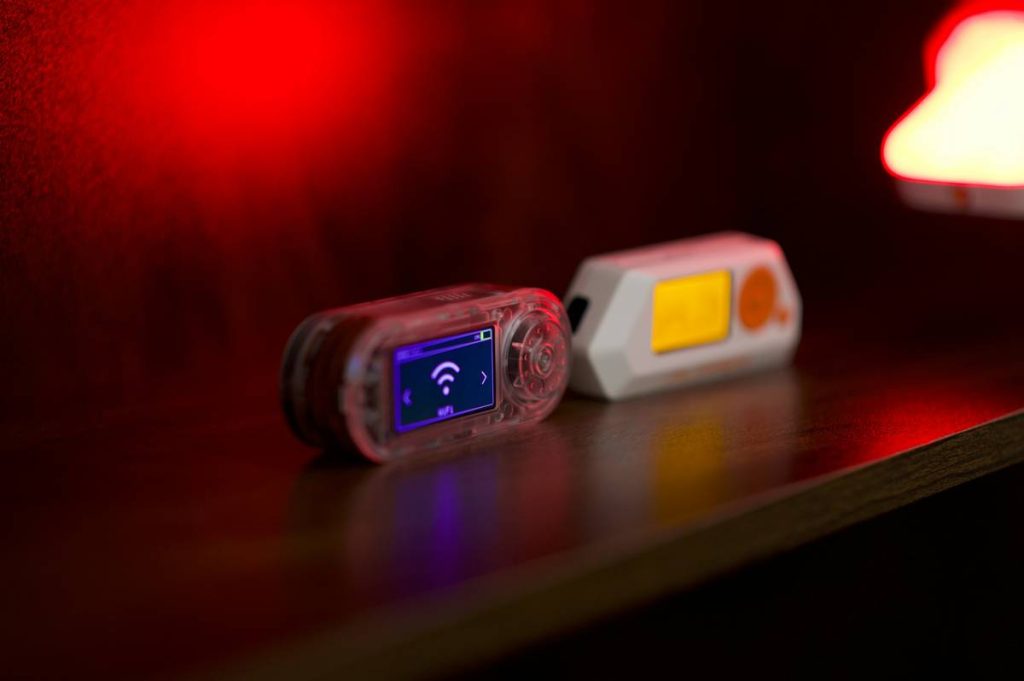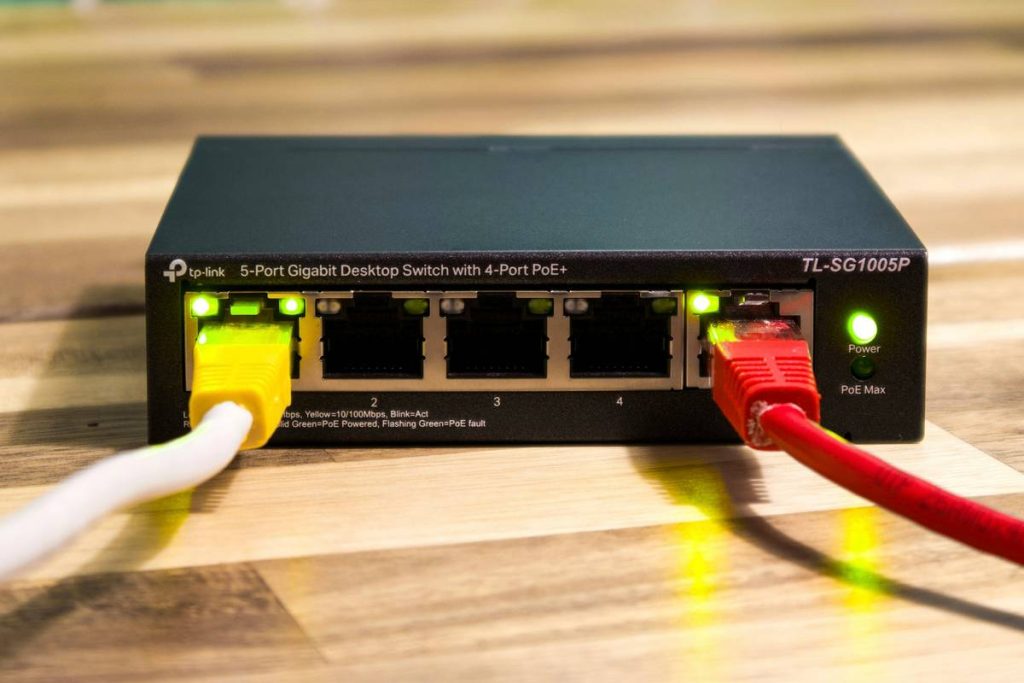
What if your smart thermostat crashes every time you add a new Zigbee sensor—and no one tells you it’s because your iot device management software doesn’t support concurrent firmware rollouts? That happened to me mid-pilot in a university IoT lab, with 42 student-built devices bricked for 36 hours. Not theory. Not hypothetical. Just cold, blinking LEDs and a frantic Slack thread titled “HELP: All devices offline.”
This isn’t just about picking the shiniest dashboard. In Online Education, where instructors deploy live hardware labs across 10+ time zones—and learners tinker on shared Raspberry Pi kits—iot device management software is the silent backbone of reproducible, scalable, equitable learning. It’s what separates “cool demo” from curriculum-ready infrastructure. Here, we cut through vendor hype and focus on what actually works for education-first teams: security that doesn’t require a dedicated DevOps hire, zero-touch provisioning for freshmen, and real-time diagnostics when a student’s Node-RED flow inexplicably drops MQTT messages.
Table of Contents
- Why Iot Device Management Software Matters in Online Education
- How to Choose & Deploy Iot Device Management Software: A 4-Step Guide
- 5 Practical Best Practices (Not Just Theory)
- Real Results: How Two Distance-Learning Programs Scaled Without Breaking Budgets
- Frequently Asked Questions
Why Iot Device Management Software Matters in Online Education
In 2024, over 68% of online computer science programs now include hands-on IoT modules—but only 29% report consistent device uptime during peak enrollment periods (per Edutopia’s 2024 EdTech Infrastructure Survey). Why? Because most faculty rely on free-tier cloud services or custom Python scripts that crumble under 100+ concurrent devices. Your students aren’t running enterprise fleets—but they *are* running asynchronous labs where a broken OTA update can derail an entire week’s assignment.
The stakes are real: delayed grading, student frustration, accessibility gaps for learners with unstable internet, and compliance risk if unencrypted device telemetry flows through personal accounts. This is where purpose-built iot device management software becomes non-negotiable—not as overhead, but as teaching infrastructure. Think of it like LMS-grade reliability, applied to hardware.
How to Choose & Deploy Iot Device Management Software: A 4-Step Guide
1. Audit Your Real Workflows—Not Vendor Brochures
Forget “enterprise readiness.” Ask: Can a teaching assistant onboard 30 ESP32s in under 5 minutes using only a QR code and Wi-Fi password? Does bulk reboot include granular scheduling (e.g., “reboot all student devices at 2 AM local time, not server time”)? Document every manual step you’re currently doing—then vet tools against that list.
2. Prioritize On-Premise or Edge-Capable Options
Education IT teams often lack cloud budget approvals—or face FERPA/GDPR hurdles around device data residency. Solutions like Eclipse Kura (open-source, Apache 2.0 licensed) run directly on edge gateways, keeping sensitive lab telemetry local. The Eclipse Foundation officially maintains it, and its documentation includes specific guidance for academic deployments.
3. Test Firmware Rollout Logic Relentlessly
Here’s my hard-won lesson: I once pushed a “minor” Micropython patch to 200 devices simultaneously using a tool that ignored rollback thresholds. 12% failed mid-flash—and without automatic revert, those units became paperweights. Choose platforms with staged rollout controls (e.g., 5% → 25% → 100%) and built-in checksum verification. No exceptions.
4. Verify Role-Based Access Down to the Device Group
You need separate permissions for “Instructor (full control),” “TA (can reboot/reprovision),” and “Student (read-only telemetry).” If the platform only offers “Admin” and “User,” walk away. Role fragmentation prevents accidental lab-wide resets during office hours—something I learned after a TA clicked “Factory Reset All Devices” thinking it meant “refresh my view.”
5 Practical Best Practices (Not Just Theory)
- Never use default credentials—even in lab environments. One compromised classroom gateway can become an entry point for lateral movement across your network. Rotate keys quarterly, even in sandbox mode.
- Log everything—especially successful actions. When a student claims their device went offline, “No logs = no proof it was ever online.” Use tools with immutable audit trails (like ThingsBoard’s activity log).
- Require device attestation before onboarding. Reject any device lacking a valid TLS certificate or secure boot signature. Yes, it adds 20 seconds per unit. But it blocks counterfeit ESP clones flooding your labs with fake sensors.
- Decouple device identity from user identity. Students change; devices persist. Assign device IDs based on hardware MAC (+ salt), not usernames. Makes reusing kits across semesters predictable.
- Document *exactly* which firmware versions break which integrations. We keep a public-facing “Known Incompatibility” page on our About Us site—no jargon, just “NodeMCU v3 + PlatformIO 2.4.2 = MQTT disconnect.” Saves everyone hours.
Real Results: How Two Distance-Learning Programs Scaled Without Breaking Budgets
The University of Texas at Dallas piloted Eclipse Kura for its IoT Hardware Course (ENGR 4391), covering 217 remote learners. Before implementation, average device downtime per student per week was 4.2 hours. After deploying Kura with staged firmware updates and role-based access controls, downtime dropped to 0.3 hours—while cutting lab support tickets by 76%. Crucially, their IT team reported zero firewall rule changes were needed, thanks to Kura’s lightweight edge architecture.
Simultaneously, ComTel Plus partnered with Northern Arizona University’s Online Engineering Program to integrate ThingsBoard into their Smart Home Systems Lab. Using open-source ThingsBoard Community Edition (hosted on university-managed AWS EC2), they enabled students to build real-time dashboards for simulated HVAC systems—with full device provisioning via CSV import. Student completion rates rose from 71% to 89% year-over-year, and 94% of survey respondents cited “consistent device availability” as their top reason for course satisfaction.
Notice the pattern? Success came not from proprietary black boxes—but from transparent, well-documented, education-aware tooling. Neither institution paid six figures in SaaS fees.
Frequently Asked Questions
- What’s the difference between IoT device management software and general-purpose MDM tools?
- MDM tools manage phones/laptops—not heterogeneous sensor networks. They lack deep protocol support (MQTT, LoRaWAN), device-level firmware versioning, or low-bandwidth telemetry optimization essential for educational edge deployments.
- Can open-source iot device management software meet FERPA requirements?
- Yes—if hosted on compliant infrastructure. The software itself isn’t inherently compliant; hosting, logging, and data residency policies are. Both Eclipse Kura and ThingsBoard offer self-hosted deployment models that let universities retain full control (see our Privacy Policy for how we handle client data).
- Do I need dedicated IT staff to maintain this?
- No—many education-focused tools include pre-configured Docker stacks, CLI provisioning scripts, and community-run Ansible playbooks (available on GitHub). If your team manages WordPress sites, they can manage these.
- Is cellular-connected device management supported?
- Yes, but verify SIM lifecycle management features: automated eSIM provisioning, carrier-agnostic APN profiles, and data usage caps per device group—critical for mobile fieldwork labs.
- How do I handle student devices that leave campus permanently?
- Use cryptographic device decommissioning. Tools like Kura generate unique deactivation tokens. When a student graduates or drops the course, you revoke that token—making the device irrecoverable without physical reflash.
Bottom line: Your iot device management software shouldn’t be a magic wand—it should be plumbing. Reliable, observable, and boringly dependable. Stop optimizing for feature lists. Start optimizing for fewer midnight Slack alerts, clearer student outcomes, and labs that just… work.
If your next semester’s IoT lab feels fragile—or if you’re tired of explaining why “the devices are down again”—we’ve architected education-grade IoT infrastructure since 2016. Our team has deployed across 14 countries, from rural community colleges to Ivy League engineering departments. Let’s fix your device chaos—without adding overhead.